Landscape and cartography
Sequere (La Entrega II)
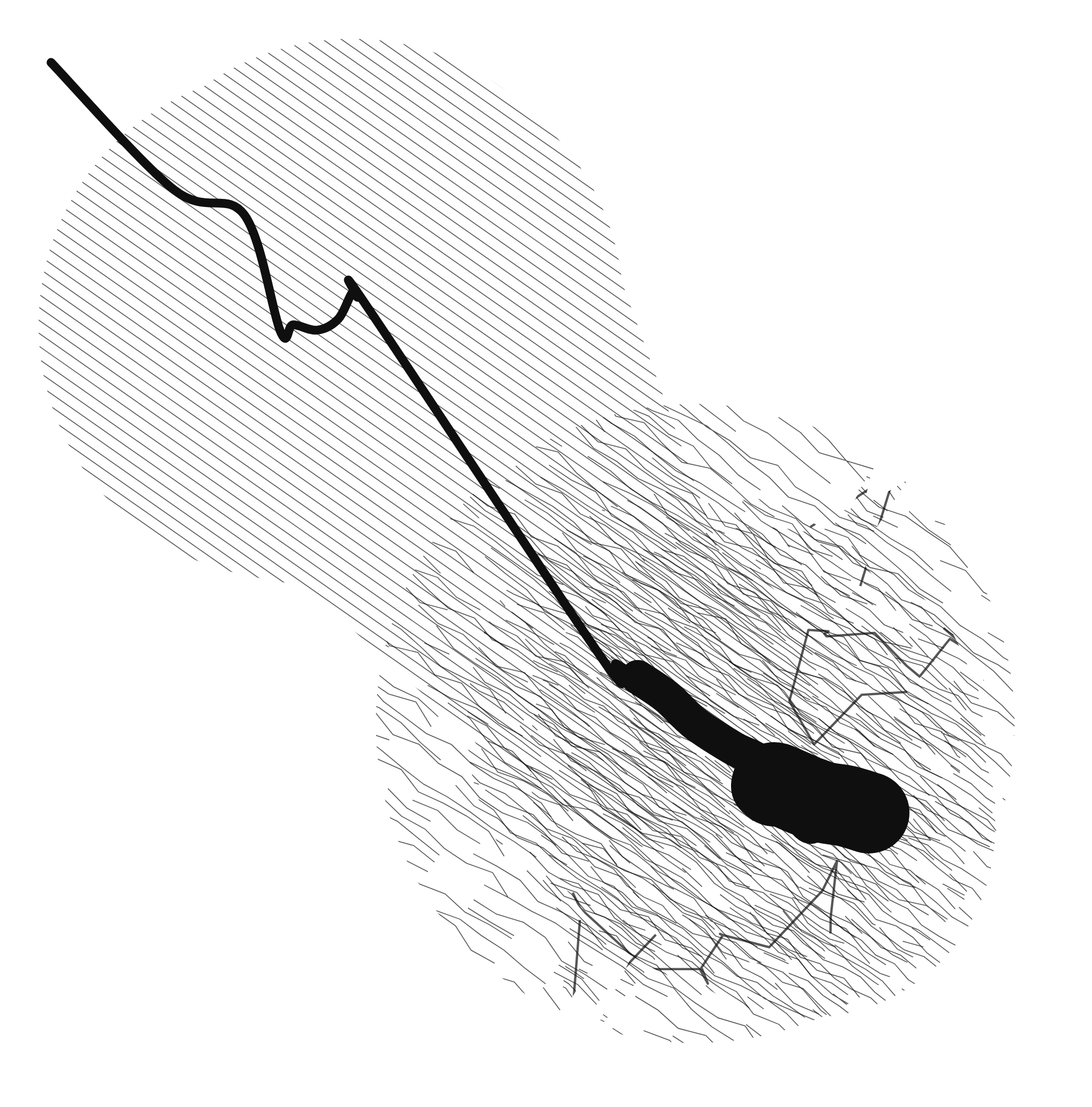
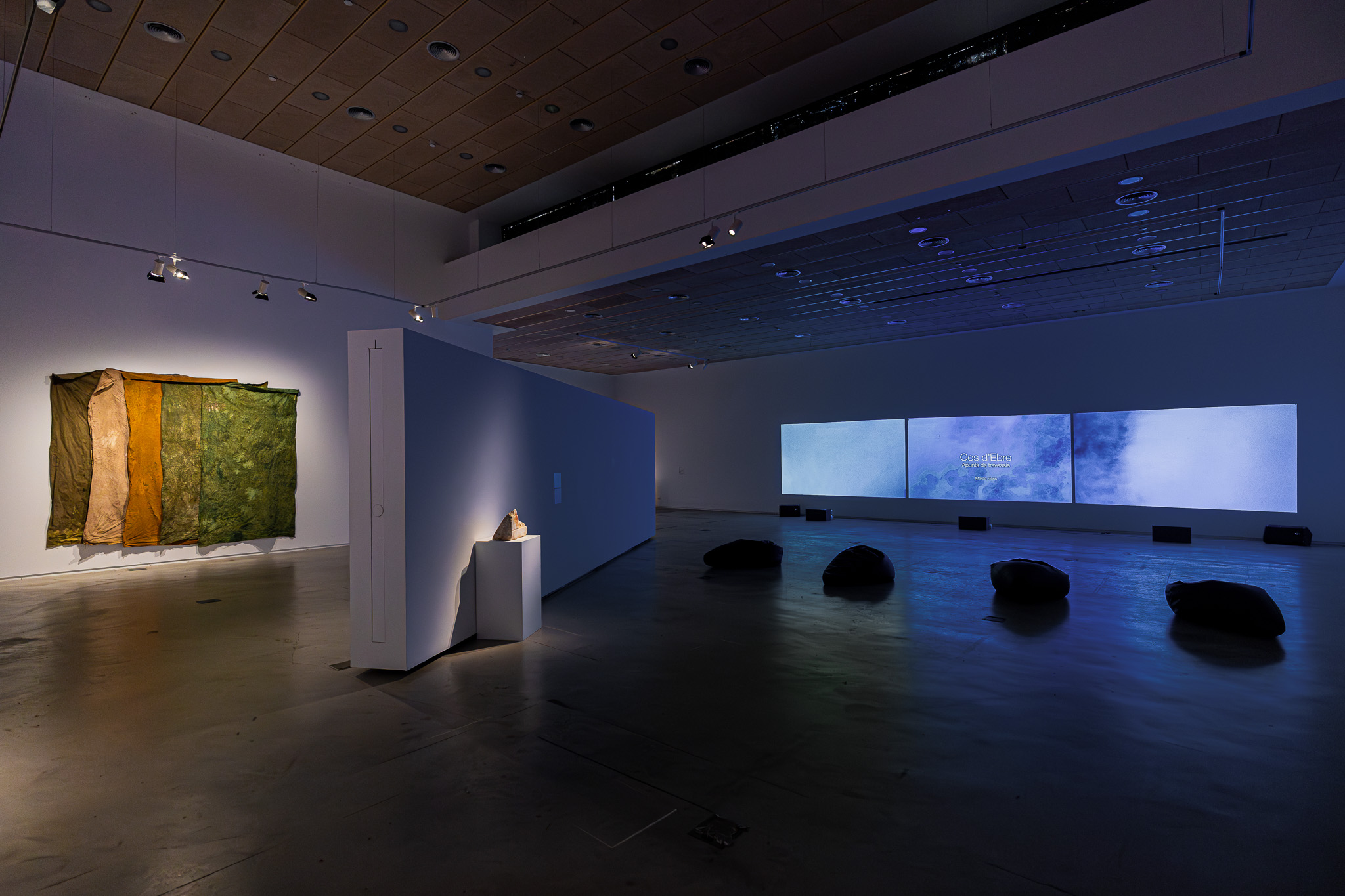
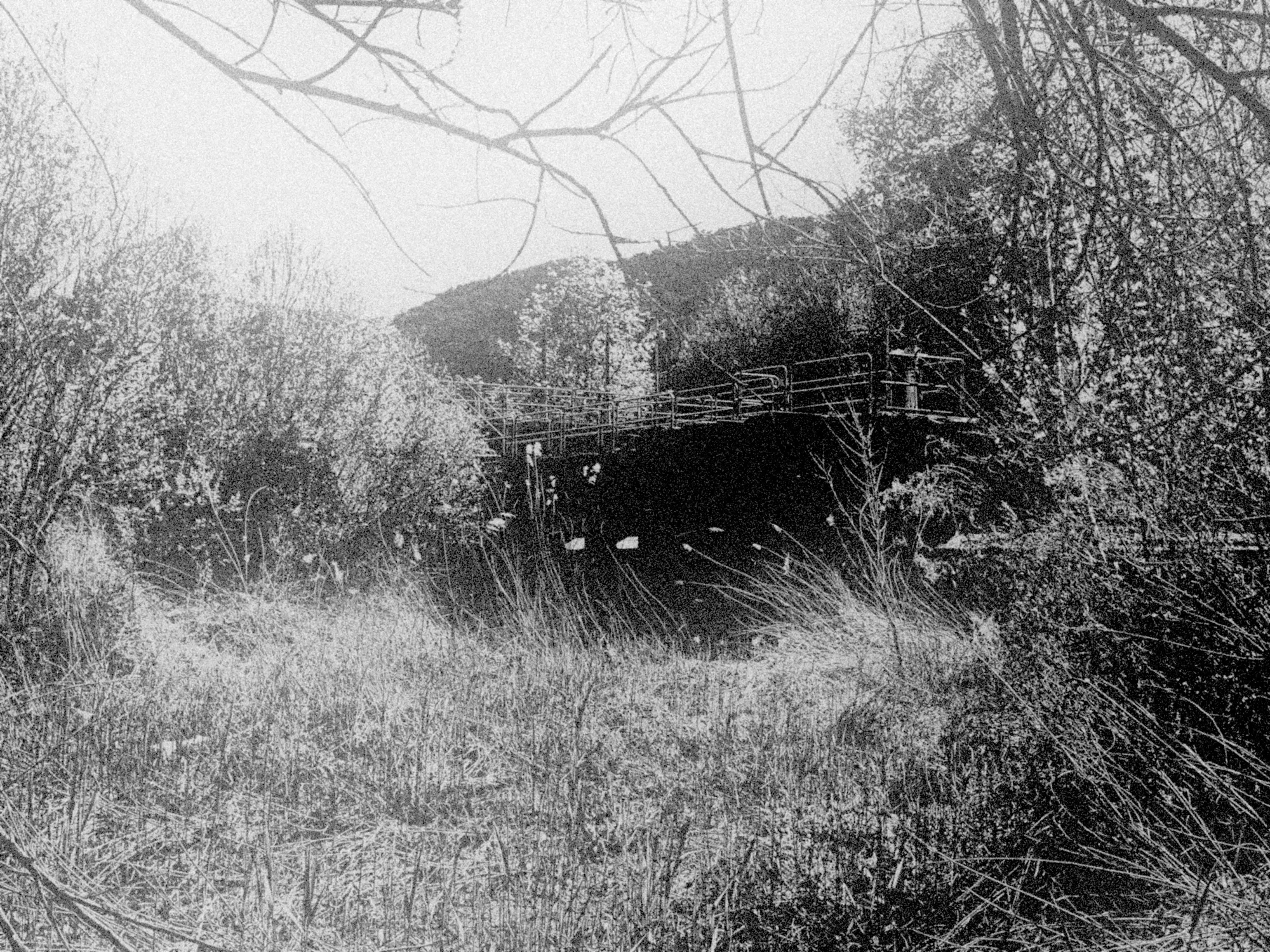
It is an artistic project about time and memory that begins with a symbolic act: collecting water at the mouth of the Ebro and walking upstream to return it to the source of the Segre River, the main tributary of the Ebro. The artist’s gaze and their body moving through space and time become instruments to activate a poetic reading of the territory: experiences along the route and through the traversed space—with its geography, toponyms, cities, and mountains—serve as the trigger for an investigation into historical memory, human relations, and the territory.
Lloc, lluny, llar
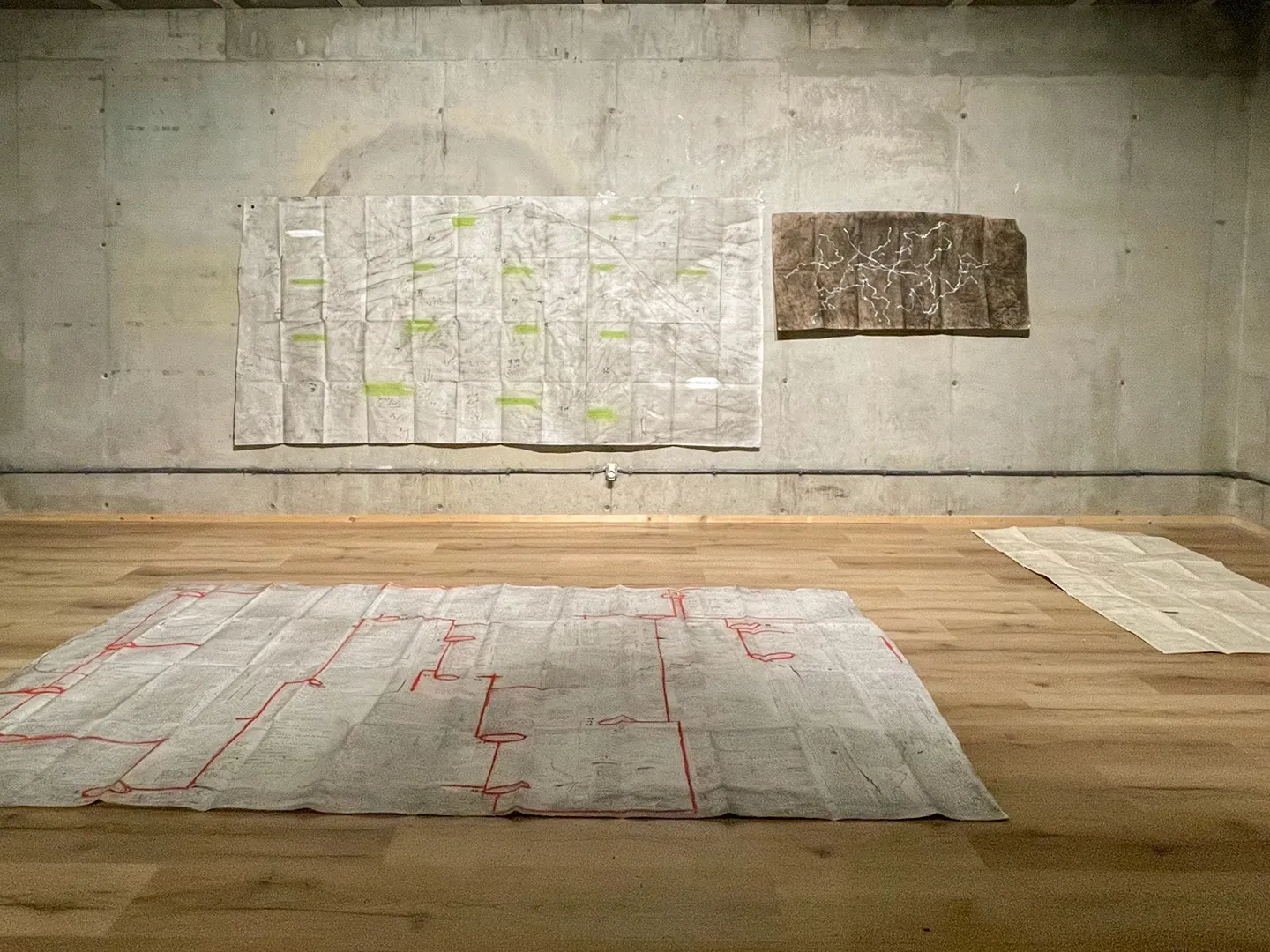
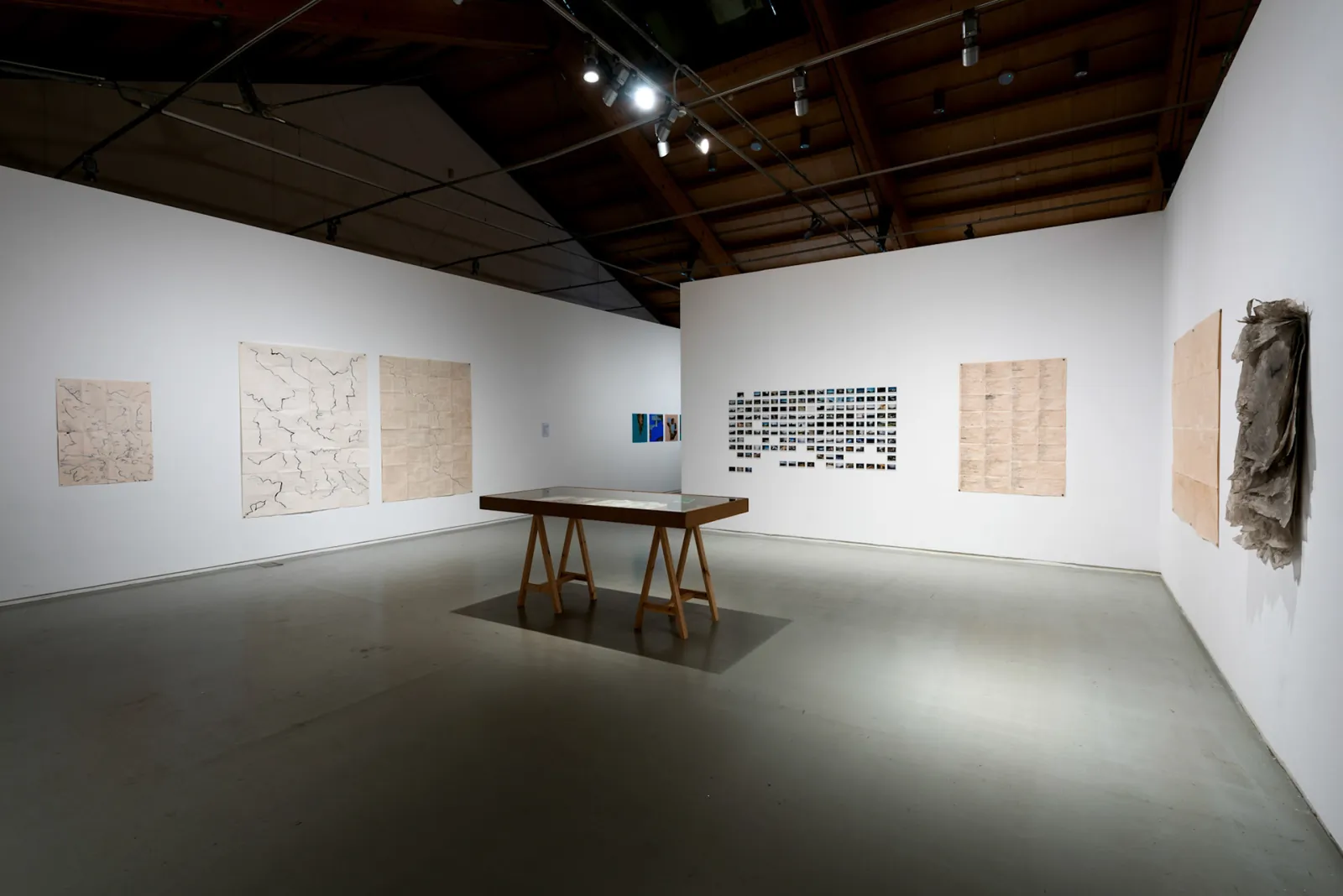
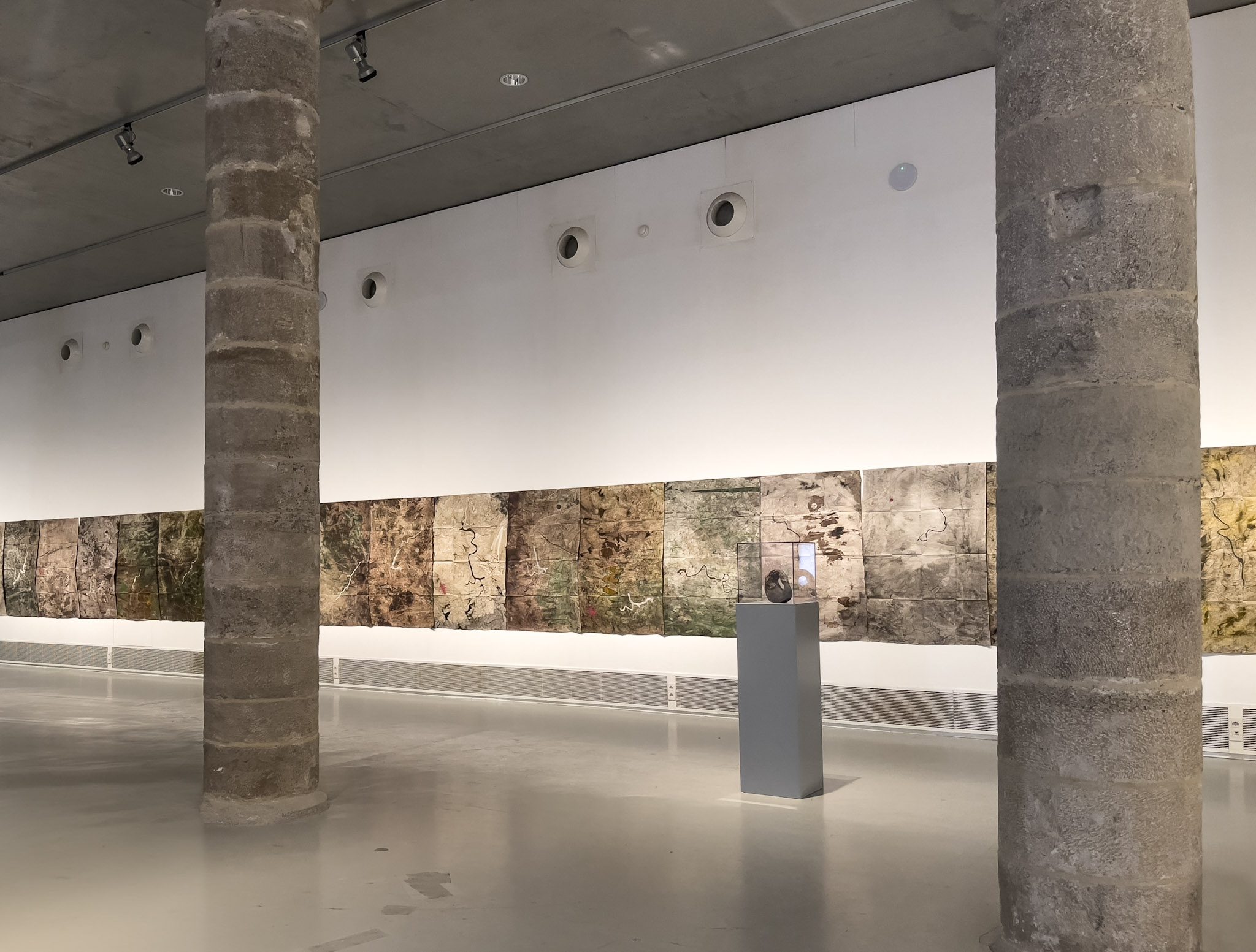
Walking as an artistic practice, art as a cartography of existence. A research project based on the journey of the Grand Tour 2020, the sixth edition of the walk organized each year by Nau Côclea in Catalan territory.
Nel lieve sovrapporsi di cielo e terra
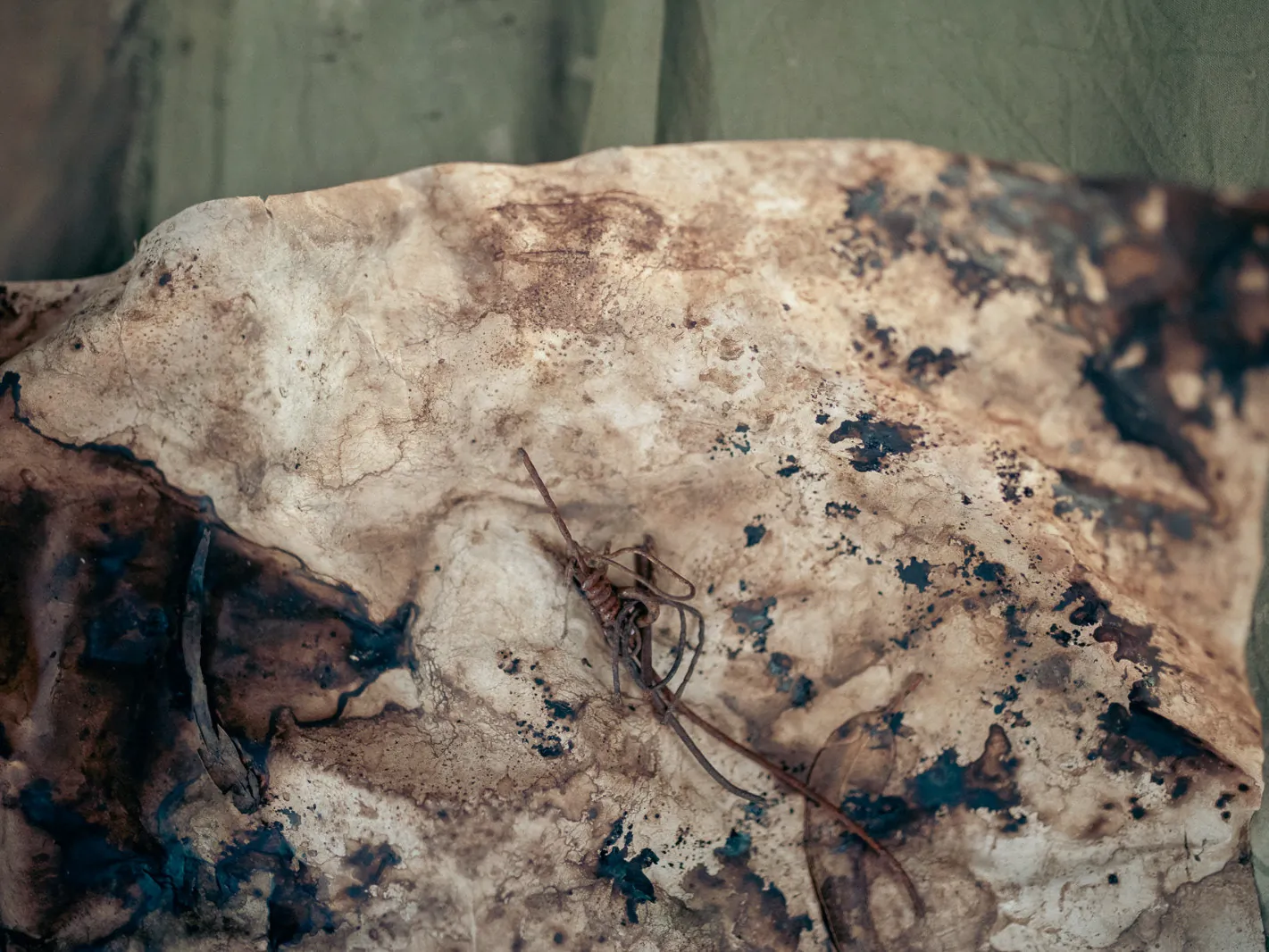
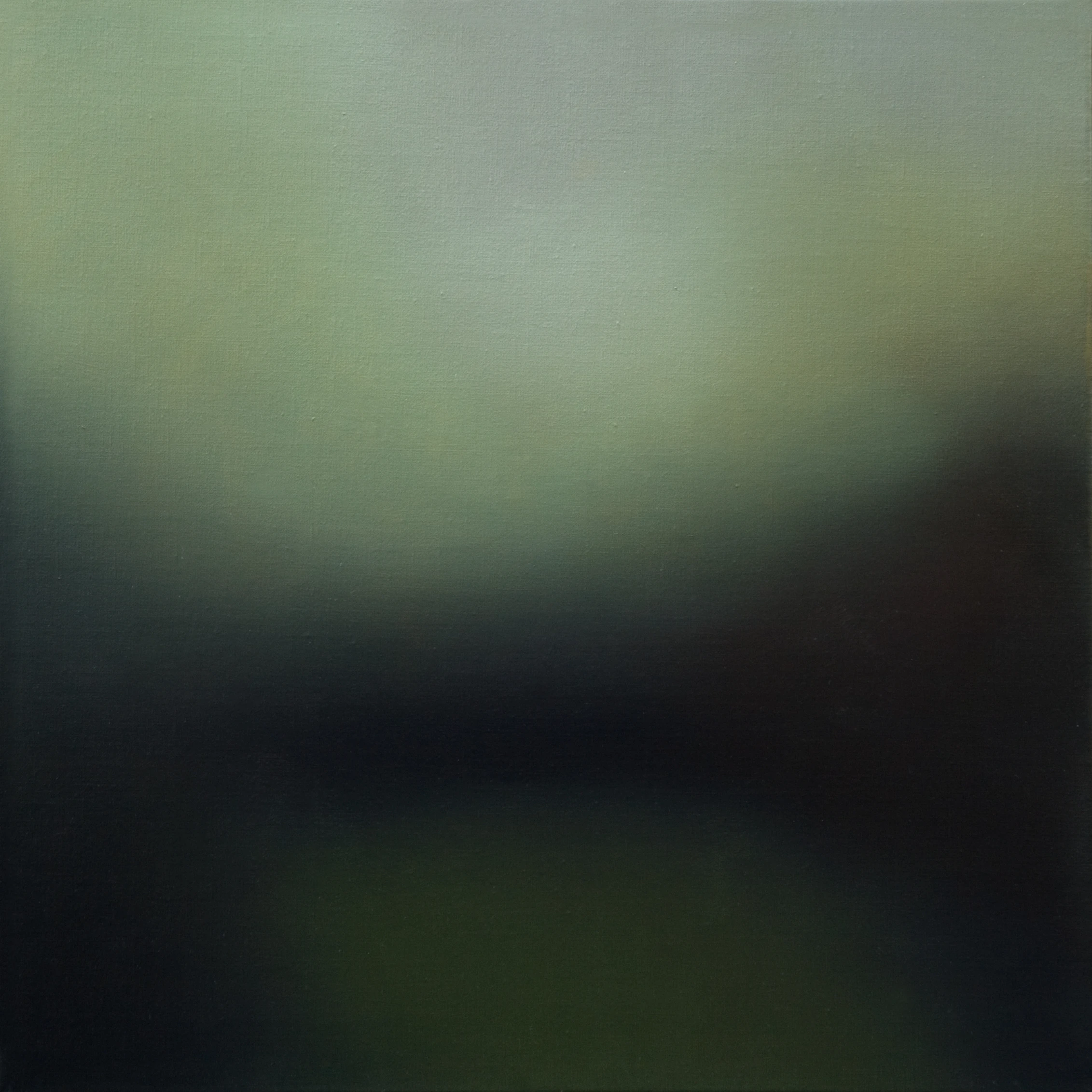
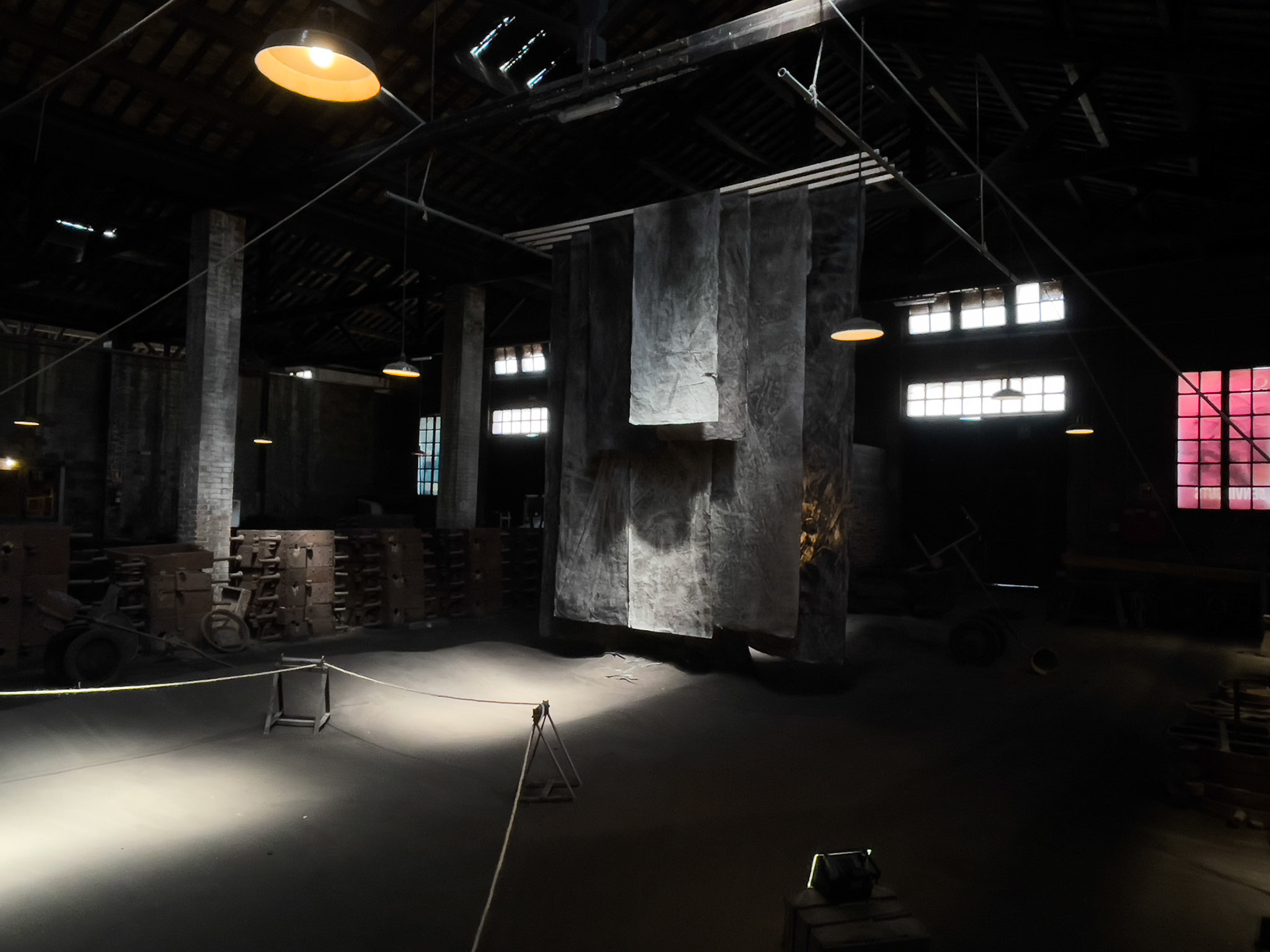
“Nel lieve sovrapporsi di cielo e terra” is conceived as a layered territory: pigment glazes, papers, frayed canvases, cardboard and old woods that gently overlap to build a place where unity and fragment coexist. In that slight overlap, painting stops being surface and becomes a path: a tactile fiction fed by earth and air that brings closer what never quite touches, action and contemplation, sky and earth.
La Entrega - Act I
“La Entrega” is a project conceived as a set of actions—acts—where walking is the main motor. The title refers to the double meaning of the word: to give and to give oneself, an ambivalence common to artistic practice and walking. The first act of La Entrega was a 350-kilometre route, walking for 21 days from the artist’s studio in Barcelona to the Centre d’Art i Natura in Farrera, a small village in the Pyrenees.
On the Border
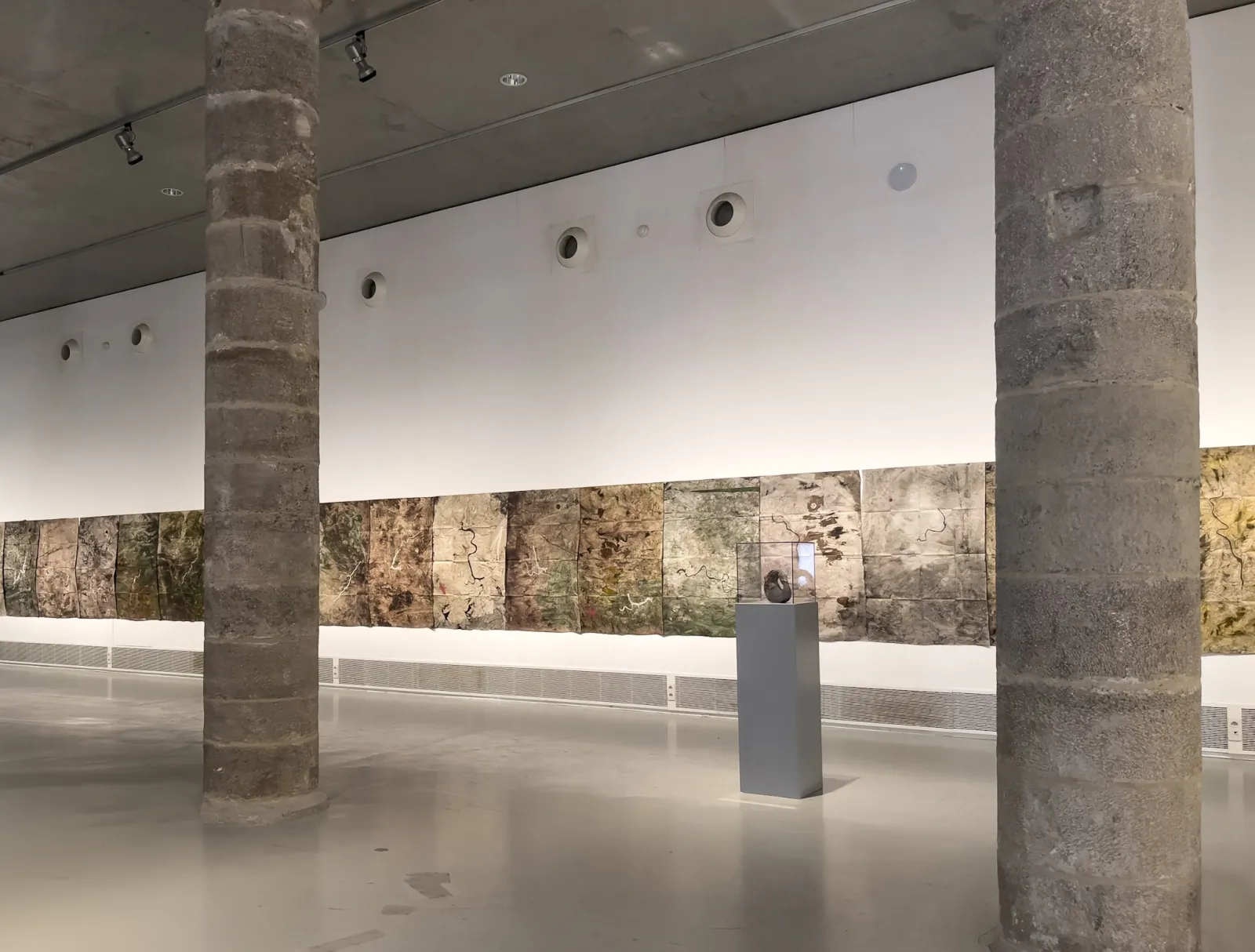
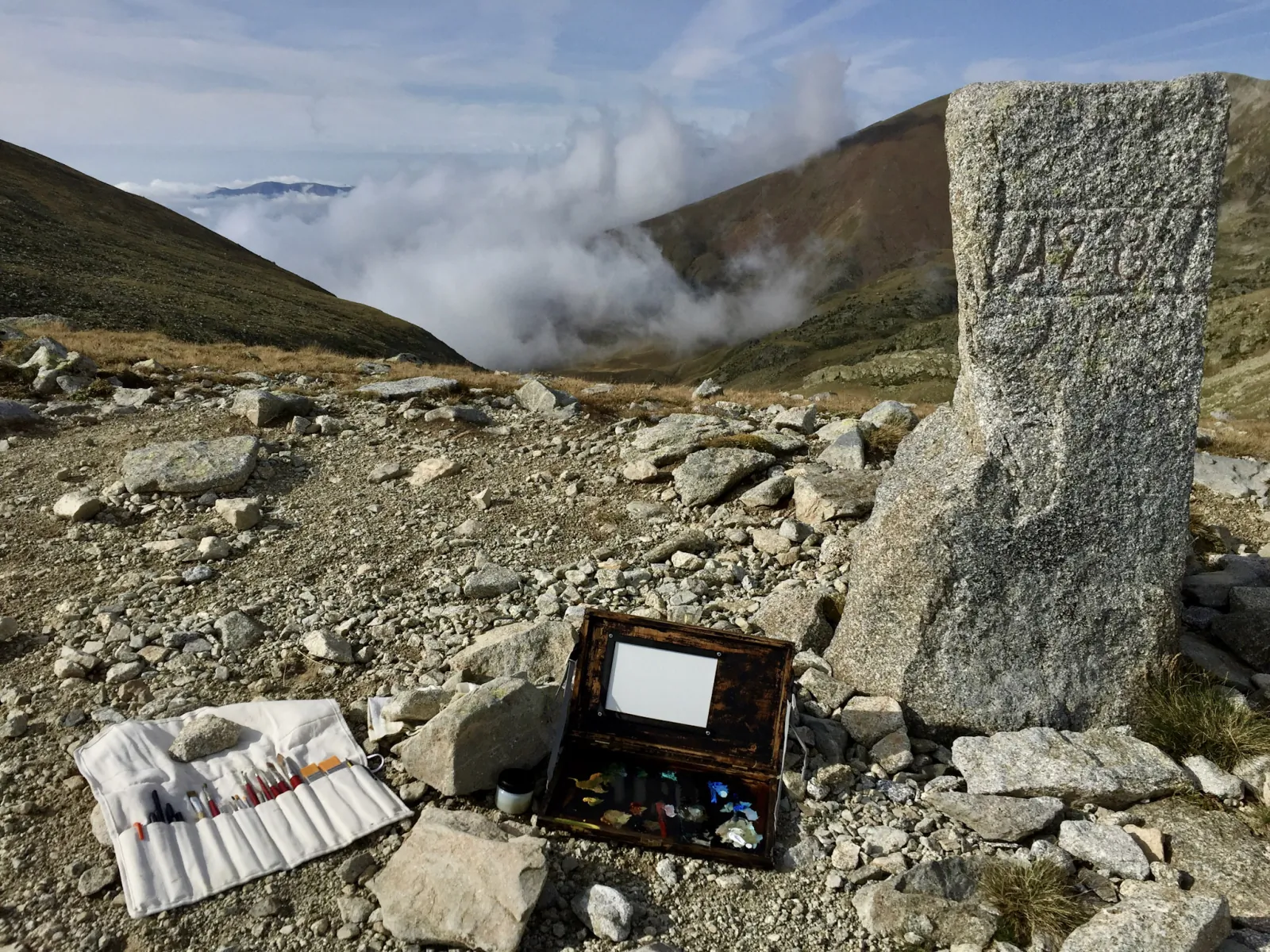
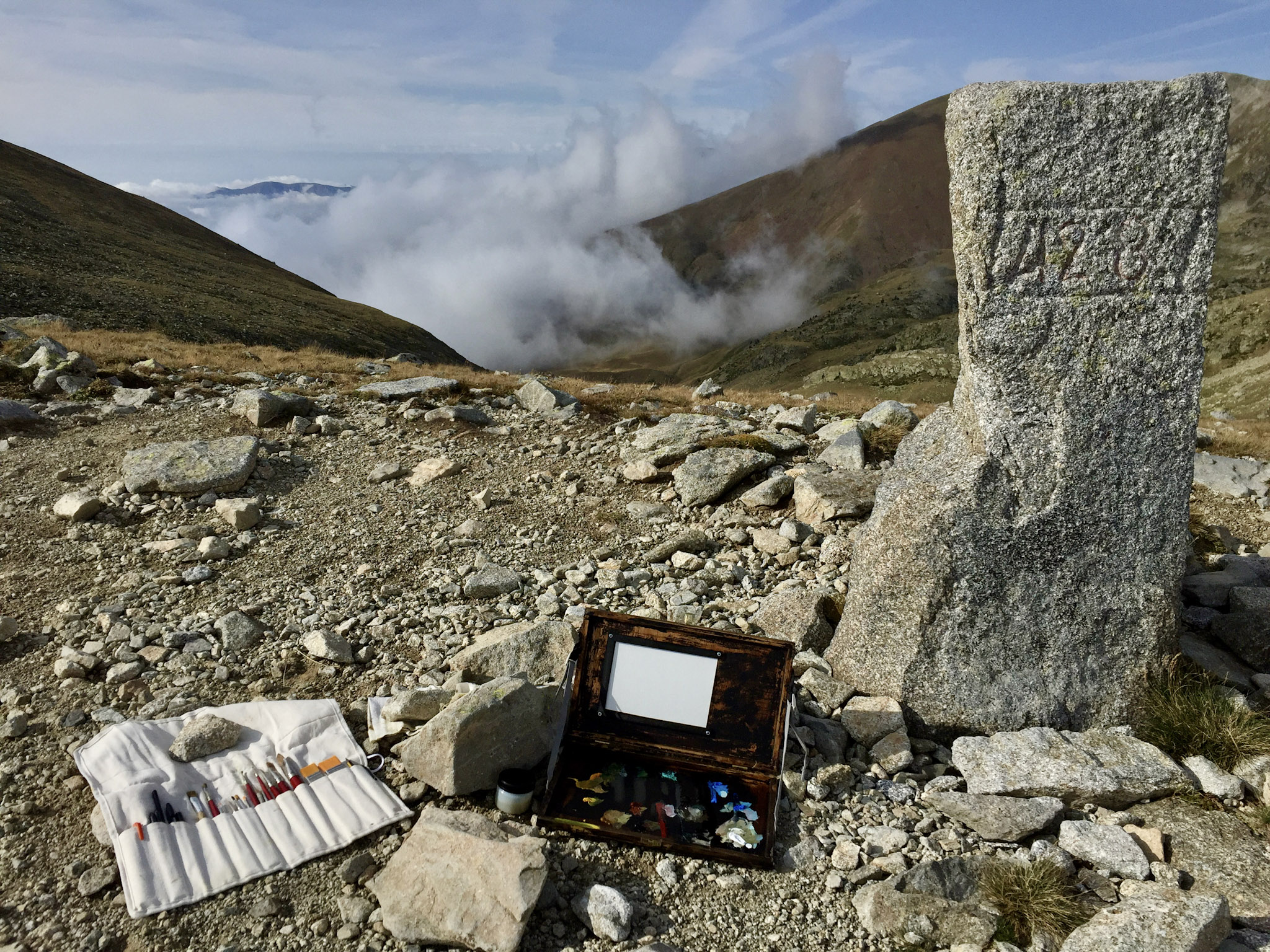
In the summer of 2017, Noris walked the 300 km of the Spanish–French border in the province of Girona, along routes that many Spanish Republican exiles once took. Along the way, the artist made a work corresponding to each of the 198 boundary stones that mark the line. Walking and painting, connecting points along the border—balancing on an invisible line that splits in two what is one—made the invisible visible and unfolded a new landscape of memory.
Remote locations
Remote places are both nearby and very far away. Proximity is provided by desire; distance is imposed by the difficulty—or impossibility—of fulfilling or encountering that desire. Remote places are mental places built by intuition and by the idea that there are spaces, far from everyday space, where one can realize the wholeness of the person or dwell according to the idea each individual has constructed of existence, or the place where the possibility of another existence appears.