Border, exile, and memory
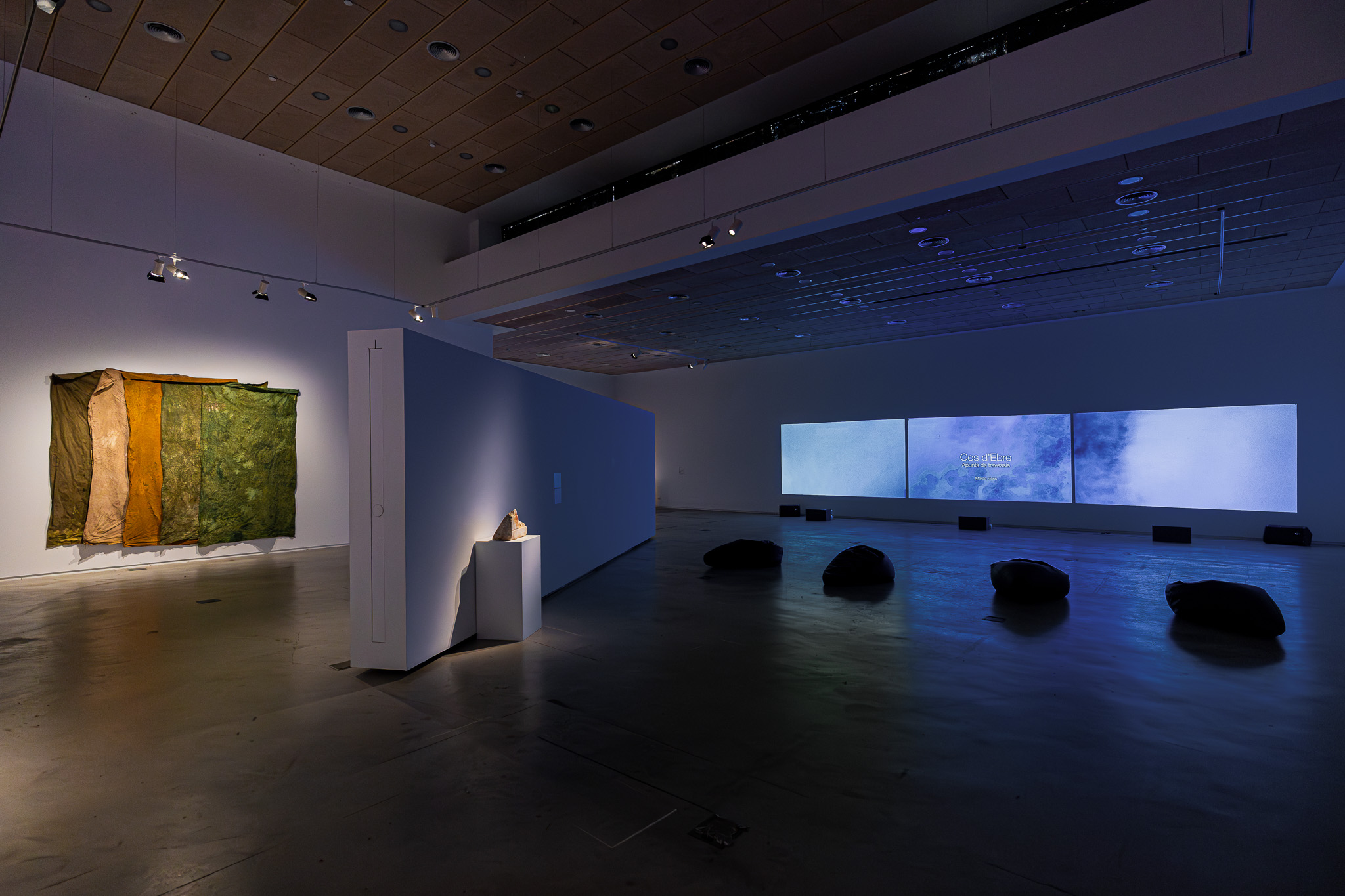
Sequere (La Entrega II)
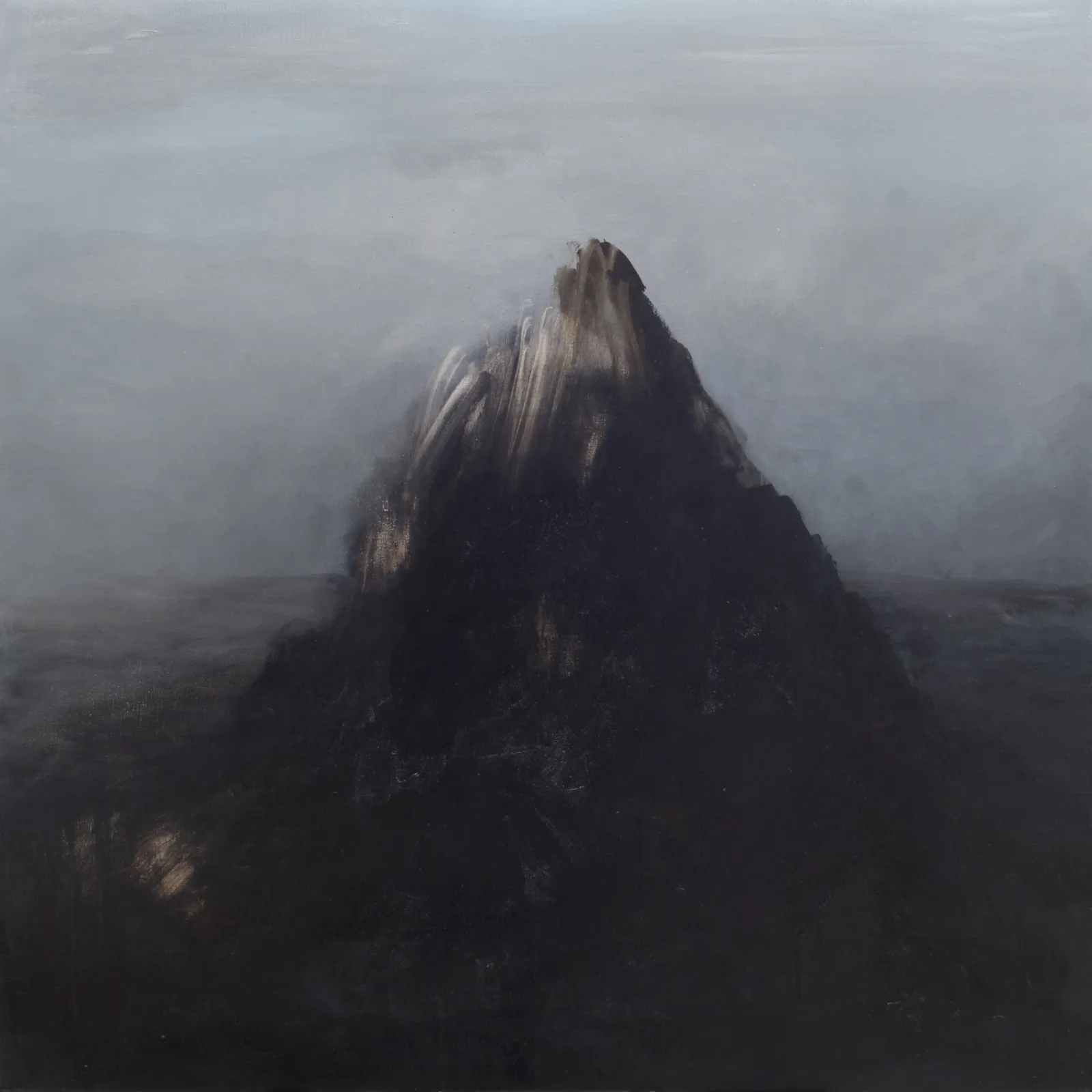
It is an artistic project about time and memory that begins with a symbolic act: collecting water at the mouth of the Ebro and walking upstream to return it to the source of the Segre River, the main tributary of the Ebro. The artist’s gaze and their body moving through space and time become instruments to activate a poetic reading of the territory: experiences along the route and through the traversed space—with its geography, toponyms, cities, and mountains—serve as the trigger for an investigation into historical memory, human relations, and the territory.
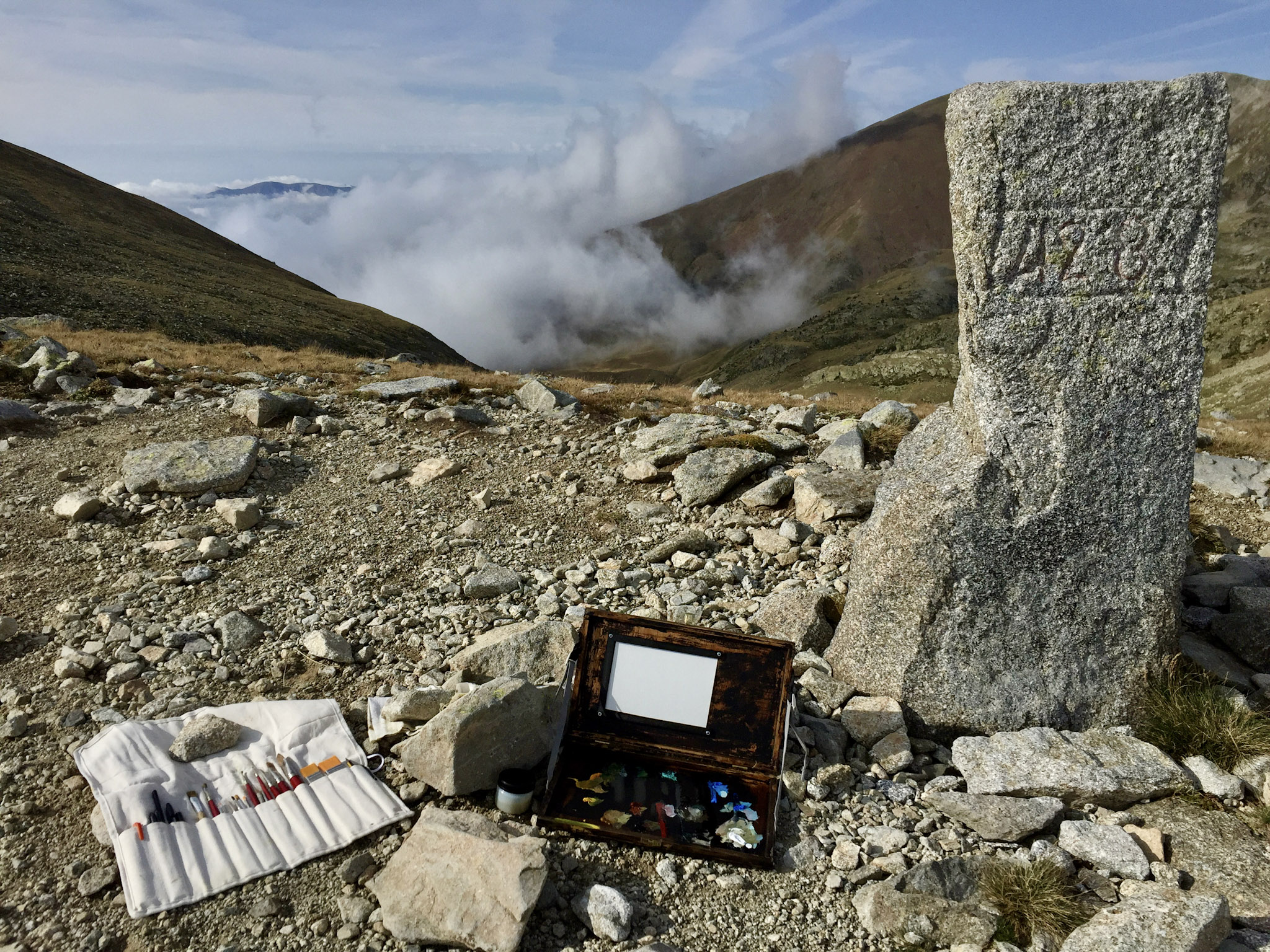
On the Border
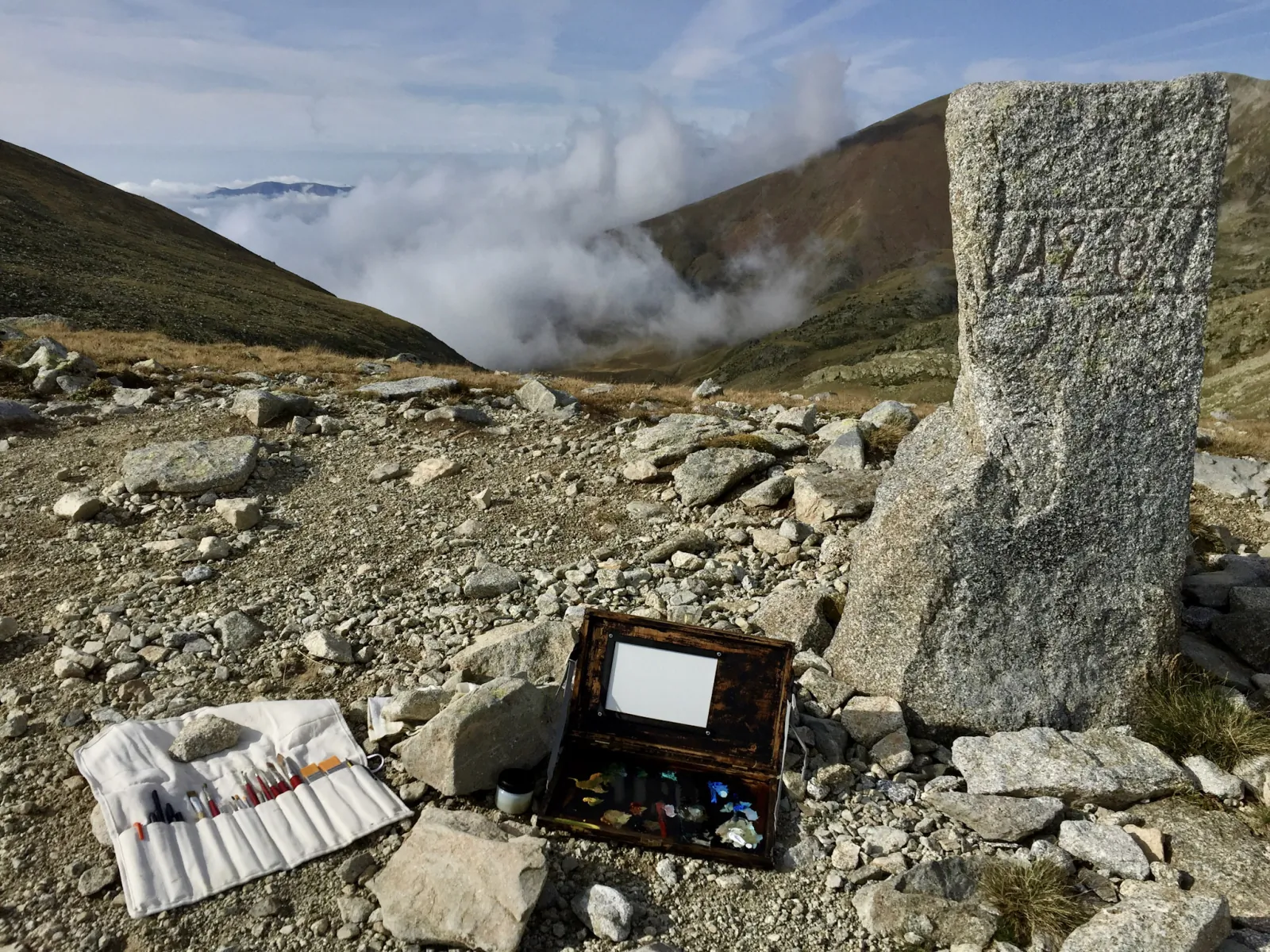
In the summer of 2017, Noris walked the 300 km of the Spanish–French border in the province of Girona, along routes that many Spanish Republican exiles once took. Along the way, the artist made a work corresponding to each of the 198 boundary stones that mark the line. Walking and painting, connecting points along the border—balancing on an invisible line that splits in two what is one—made the invisible visible and unfolded a new landscape of memory.
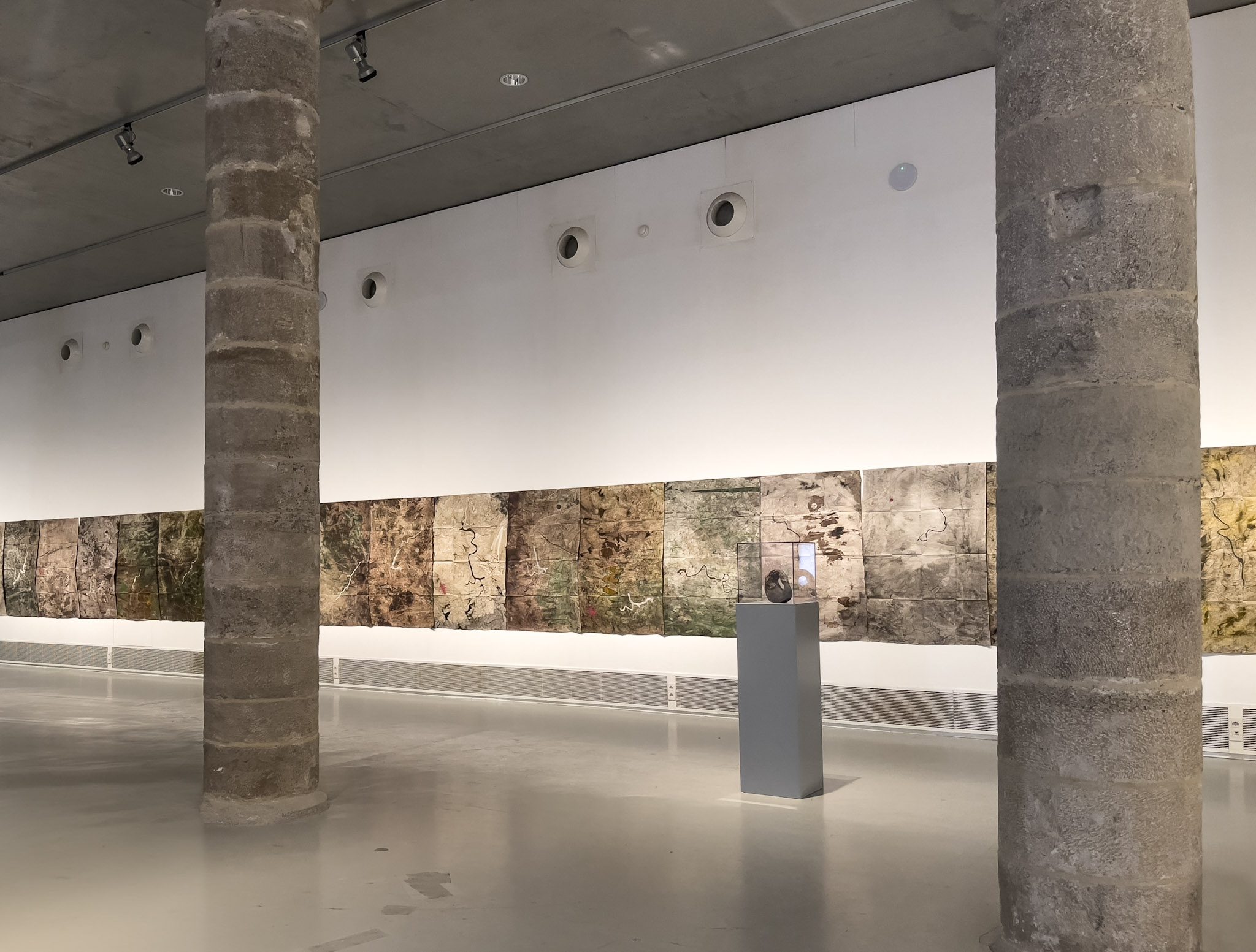
Paratext #7
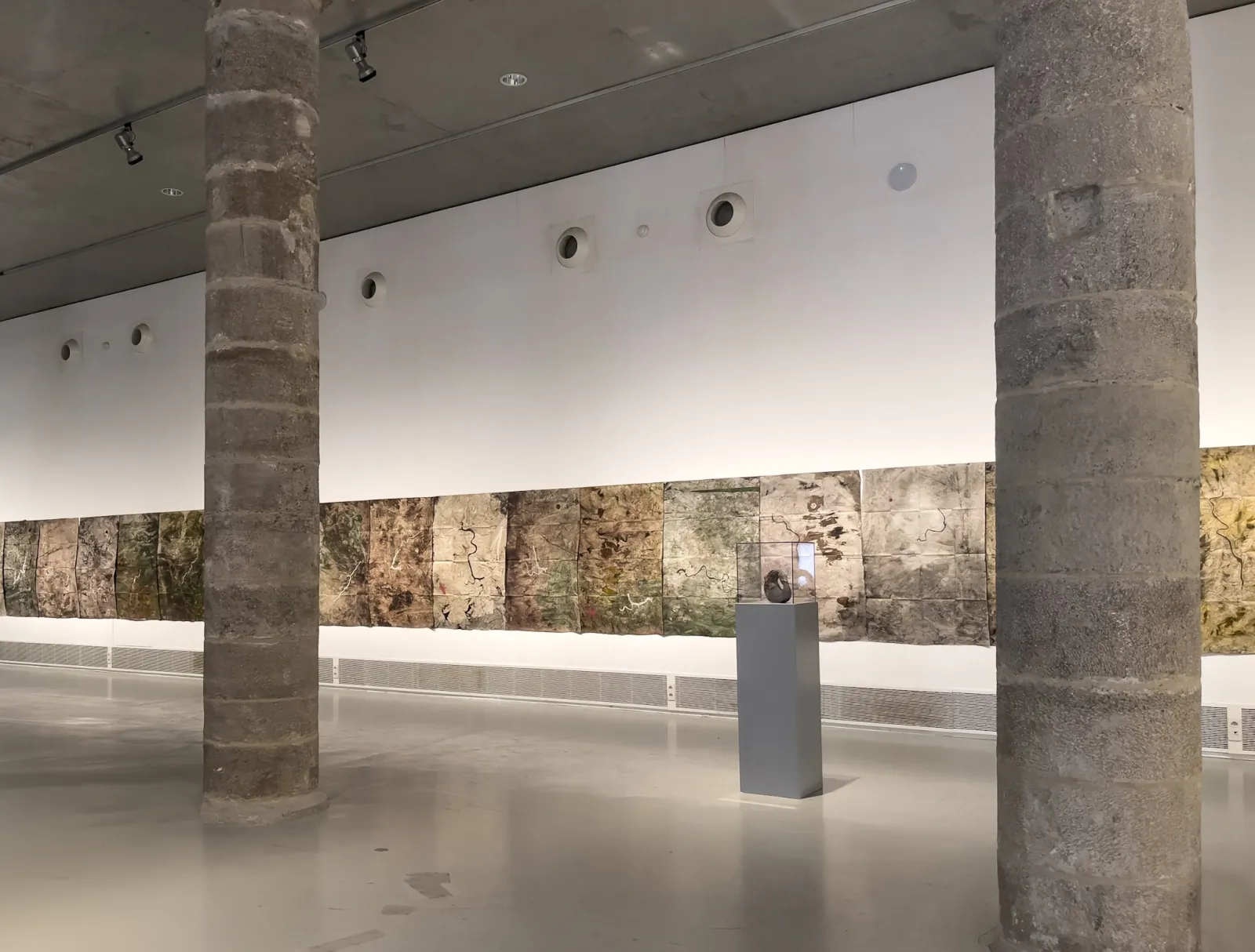
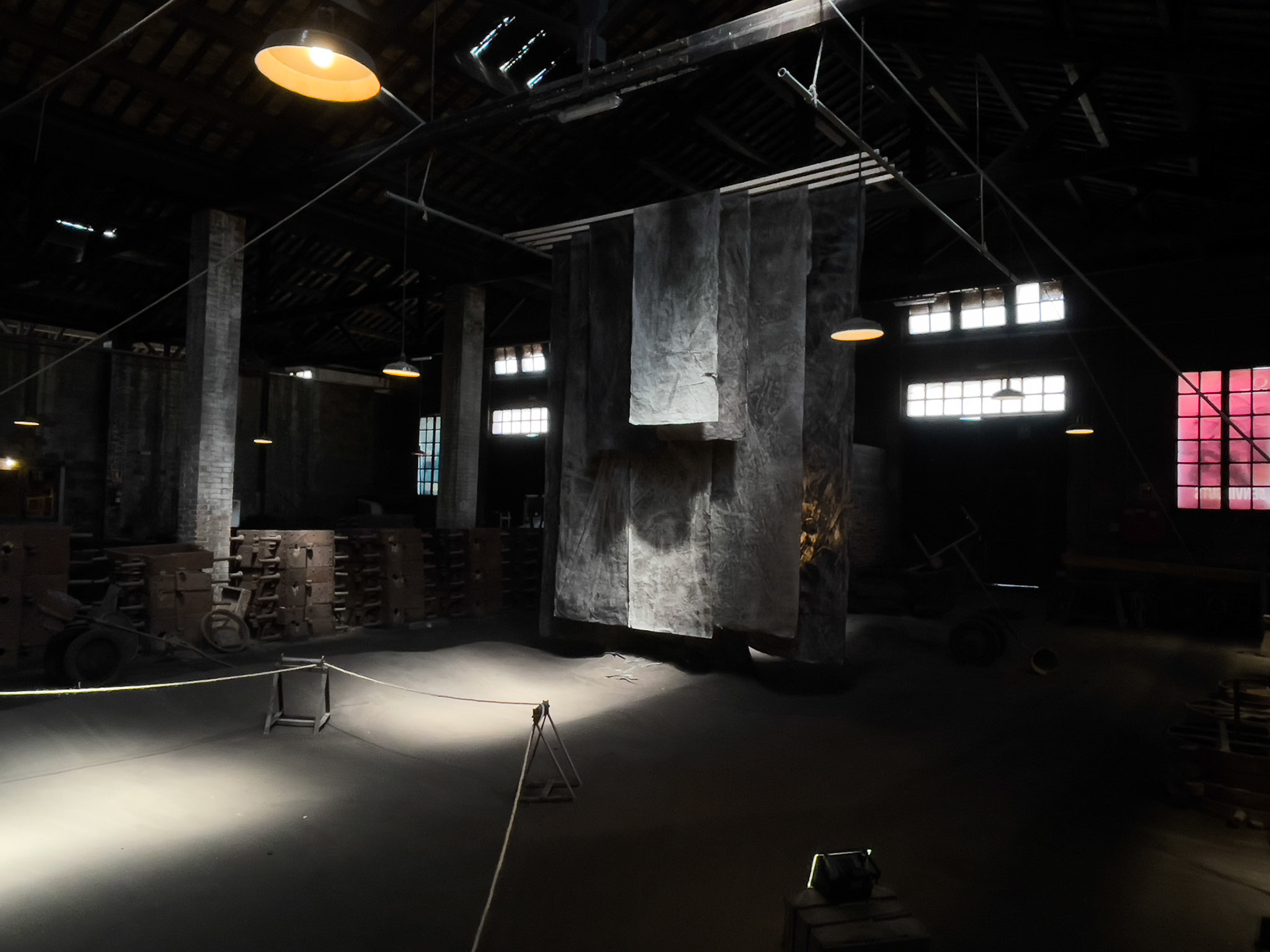
In November 2015, at Hangar Barcelona, Marco Noris presented a performative action linked to his painting project in progress, centred on the notions of exile, uprooting, historical memory and contemporary migration policies. During the presentation he constructed a live mind map on the wall, articulated through videos, photographs, objects, paintings and texts, connected by arrows and annotations, thus translating a hypertextual organisation system into physical space. The action, lasting about 40 minutes, was received very positively and culminated in the exhibition of a 15-metre-long mural composed of 52 pieces.
The Triumph of Defeat
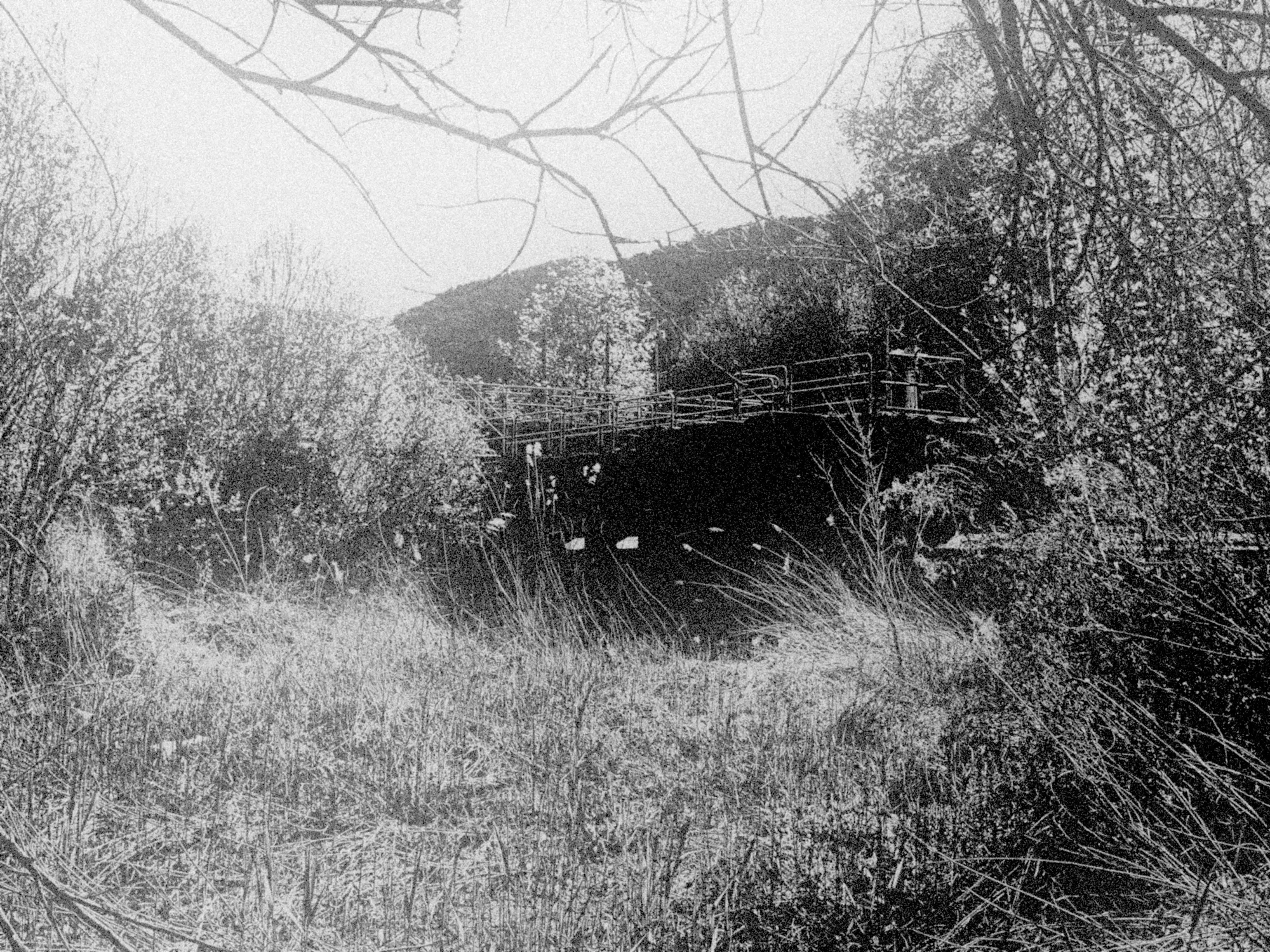
Through images of material and moral ruin—remains, bodies, waste, scenes of exclusion and collapse—the project "The Triumph of Defeat" composes a visual archive of the breakdown of modern values. Ruin appears not as an end, but as a means to think about historical, political and intimate defeat, and the possible dissolution of the ego. In an overlap of times—past, present and ruined futures—the project places the viewer before their own mortality and the impossibility of remaining indifferent to catastrophe.
Refugium, refugia
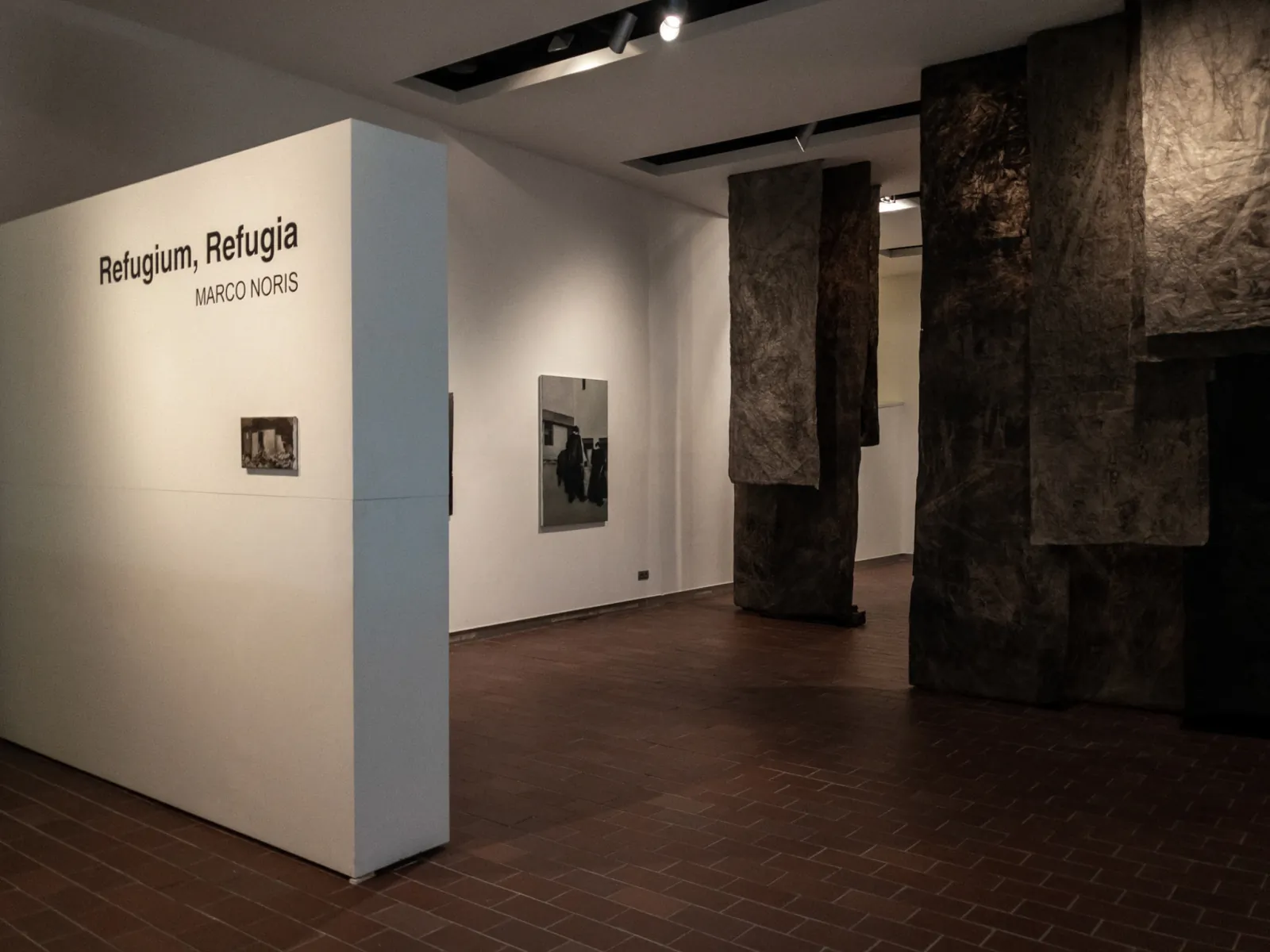
This project takes the former internment camp of Rivesaltes as a starting point to address the historical memory of the Spanish Republican exile. From the site’s ruins, it traces the architectural and human footprints that shape a collective emotional memory where past and present interlock.